Tuesday, June 4, 2013

Breastingfeeding and Chiropractic


Breastfeeding can help mothers relax and handle stress better and to prevent postpartum depression. Skin-to-skin contact with your baby has a soothing effect often called kangaroo care.Skin to skin contact with dad is also wonderful for bonding with your baby.
How can chiropractic care help with breastfeeding and bottle feeding your baby? It can help in many ways!!!

Try to listen to your body so that you can tell when stress is affecting your health, and take these steps to feel better:
  • Get adjusted! Getting adjusted can increase your immune system by 60% with just one adjustment!
  • Many new moms get ‘nursing neck’ which can cause upper back, neck pain and headaches as well. Even moms who are bottle feeding can get this. When feeding you are often looking down at your beautiful baby for 20-30 min or more at a time- often 8-10 times a day. This can overstretch already stressed ligaments and muscles in the neck, causing pain.
  • Relax - It's important to unwind in a way that works for you. Try a bubble bath, deep breathing, yoga, meditation, and massage therapy. If you can't do these things, take a few minutes to sit, listen to soothing music, or read a book.
  • Sleep - Your stress could get worse if you don't get enough sleep. It is hard to fight off illness when you sleep poorly. With enough sleep, it is easier to cope with challenges and stay healthy. Try to get seven to nine hours of sleep every night. If you can't, try to sleep when the baby sleeps.
  • Eat right - Try to fuel up with fruits, vegetables, proteins, and whole grains.
  • Get moving - Physical activity not only helps relieve your tense muscles, but helps your mood too! Your body makes certain chemicals, called endorphins, before and after you exercise. These relieve stress and improve your mood.
 To find out more about breastfeeding and chiropractic, call us at 403-347-3261. Family First Chiropractic 142 Erickson Drive, Red Deer. Family1stchiro.ca.

Tuesday, May 28, 2013

Children and Chiropractic


CranioSacral Therapy, like most other formal and complementary treatments is never successful in 100% of cases. However, the following gives some idea of the degree of success in certain situations:

·         Dr. John Upledger's research has found that 50 – 60% of hyperactive child problems originate in the CranioSacral system and can be treated successfully with CST.

·         Learning disabilities and dyslexia – again 50-60% of problems can be effectively treated with CST if the problem is caused by a malfunction of the CranioSacral system.
Autism. Three years of intensive research with autistic children in the late 1970’s revealed significant reduction in self-destructive behaviour and improvement in displays of affection and social interaction. These improvements, however, usually deteriorated in 3-6 months after the CranioSacral Therapy treatment discontinued

For more information on craniosacral therapy with Jeannette Raskin or to book an appointment please call us at Family First Chiropractic and Wellness, 142 Erickson drive, Red Deer 403-347-3261.
www.family1stchiro.ca

Tuesday, May 21, 2013

Arm injury

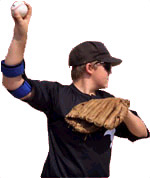
Baseball season is coming and one of the most common injuries is the rotator cuff. Painful throwing and a general achy pain running down the arm. Also painful when trying to sleep, do your hair, grabbing the milk out of the fridge... Light everyday use of the arm can become difficult. 

     No need to quit the game you love. Rotator cuff injuries are one my specialties. Just a few half hour treatments and the range of motion returns and with that the pain ceases. 

To book an appointment with Guy Lacoursiere R.M.T, call us at 403-347-3261. Family First Chiropractic, Red Deer. www.family1stchiro.ca

Tuesday, May 14, 2013

Where did CranioSacral Therapy begin?


CranioSacral Therapy is based on the theories of William Sutherland, D.O., an osteopath from the early 1900s. It was further developed by another osteopathic physician John E. Upledger following extensive scientific studies from 1975 to 1983 at Michigan State University, where he served as a clinical researcher and Professor of Biomechanics. He later founded the Upledger Institute, the national center for CranioSacral Therapy. It is a form of holistic healthcare.

CST is a gentle, hands-on method of evaluating and enhancing the functioning of a physiological body system called the craniosacral system - comprised of the membranes and cerebrospinal fluid that surround and protect the brain and spinal cord. 
Using a soft touch, generally no greater than 5 grams, or about the weight of a nickel, practitioners release restrictions in the craniosacral system to improve the functioning of the central nervous system.

CranioSacral is named for the cerebrospinal fluid that flows up and down the spinal cord from the cranium 

(head) to the sacrum (tailbone). As it slowly flows, it creates a rhythm throughout your body. The therapist assists this rhythm to self-correct dysfunctions in your body. Where there is a dysfunction, the rhythm is “stuck” and you feel pain, immobility, tension, etc. This can occur anywhere in the body. The cause is usually the result of a recent or past physical or emotional trauma. The therapist uses a very gentle, non-invasive light touch to locate the “stuck” areas and to assist the return of the healthy rhythm to these areas. As this occurs, there is a deep feeling of relaxation, more freedom of movement, and less pain. It is very quiet and passive. You remain fully clothed for this therapy. This is a very relaxing technique because it works with the fluid that nourishes all the nerves in your spinal cord.

By complementing the body's natural healing processes, CST is increasingly used as a preventive health measure for its ability to bolster resistance to disease, and is effective for a wide range of medical problems associated with pain and dysfunction, including:

  • Migraine Headaches
  • Chronic Neck and Back Pain
  • Motor-Coordination Impairments
  • Colic
  • Autism
  • Central Nervous System Disorders
  • Orthopedic Problems
  • Traumatic Brain and Spinal Cord Injuries
  • Scoliosis
  • Infantile Disorders
  • Learning Disabilities
  • Chronic Fatigue
  • Emotional Difficulties
  • Stress and Tension-Related Problems
  • Fibromyalgia and other Connective-Tissue Disorders
  • Temporomandibular Joint Syndrome (TMJ)
  • Neurovascular or Immune Disorders        
  • Post-Traumatic Stress Disorder
  • Post-Surgical Dysfunction
Jeannette Raskin, RMT CST is at Family First Chiropractic and Wellness, 142 Erickson Drive, Red Deer
403-347-3261


    Tuesday, May 7, 2013

    The Dirty Dozen Ways to Die That You Can Avoid


    Black Swan Avoidance – The Dirty Dozen Ways to Die That You Can Avoid
    Brought to you By Family Fisrt Chiropractic at 142 Erickson Dr, Red Deer 403-341-3261
     www.family1stchiro.ca


    Dr. McGuff calls the risks that follow “black swans.” By steering clear of them and instead using the tips that follow, you can protect your health from not only tragic accidents but also more insidious threats.
    1. Buy a Big Car

    Accidents, including motor vehicle accidents, are the fifth leading cause of death in the United States. You probably can’t stop driving … but you can protect yourself better by buying a bigger car. In a collision, generally the bigger the car you’re in, the safer you’ll be. Also important is choosing a car that is loaded with airbags.
    6. Gas Grill

    I’ve written on some of the dangers of eating grilled food, but Dr. McGuff speaks about the dangers from lighting one. If your gas grill won’t start, he says, walk away. Otherwise, the gas build-up can lead to major flames when it finally does ignite, and this can translate to third-degree burns, or worse, for you. Not to mention, gas grills are involved in nearly 7,000 home fires a year.3
    7. Feet First
    Thinking of diving into a pool, lake, ocean or any other body of water? Don’t. At least, not until you’ve jumped in feet first, first, so you can determine how deep the water is. Diving in head first into a too-shallow body of water can break your neck, paralyze you, or kill you, so just don’t do it.
    An estimated 800 spinal cord injuries occur each year from people diving into a body of water, and 90 percent of these happen in water depths less than six feet.4 Generally, a minimum water depth of at least nine feet is recommended for head-first dives.
    8. Ladders
    Your intentions are good – you want to hang holiday lights or fix a shingle on your roof. But climbing onto a ladder to do so can quickly turn deadly. If you can, hire a professional to do any painting or other repairs that require you to climb a ladder, so you can avoid becoming one of the more than 164,000 people who end up in emergency rooms each year due to ladder-related injuries.5
    9. Retirement “Dream” Homes
    Thinking of building your dream home to live out your retirement years in bliss? Find one that already exists and just move in instead. According to Dr. McGuff, he sees an inordinate number of people suffering from heart attacks caused by the stress from – you guessed it –dealing with contractors and other issues while building their retirement home.
    10.“Hell No!”
    If anyone tells you to get into a car at the point of a weapon, your response should be, “Hell no!” Once you get into a car against your will, you will most certainly die, likely after suffering immensely. Do whatever you need to do to NOT get in the car – run, yell, scream, fight back, anythingto keep from getting into that car.
    11. Bad Relationships
    About 15 percent of the population has psychotic, anti-social personality disorders. When you are in a relationship with one of these people, you will feel emotionally fatigued and upset, recurrently. If you notice these signs, ditch the relationship, and that may include a family member, friend, employer, etc.
    Relationship problems, like most emotional struggles, represent a major drain on your health and well-being, so be ruthless in cutting any unhealthy relationships from your life.
    12. Lottery
    Don’t play it! Unearned wealth will destroy you. “If you get money you did not earn, it will take you down!” Dr. McGuff says. If you don’t believe this, do an Internet search for stories of lottery winners, and you’ll see the wrath that often follows …

    13. Bonus: Be Kind

    Being kind is the most important strategy for your health and for society, according to Dr. McGuff. This makes sense, as people tend to attract the energy that they give off, so if you are kind you’re likely to be surrounded by kindness in return.
    2. No 4-Wheel ATVs
    All-terrain vehicles (ATVs) are a popular hobby for many, but they’re also responsible for hundreds of deaths, and over 100,000 emergency room visits, every year.1 Dr. McGuff has seen too many people who have died or become paralyzed (including children) after using these vehicles, so his advice is to just stay off.
    3. Roads are for Cars
    If you love jogging or cycling, do it indoors or on a designated walking/biking path. If you do so on the road, you’re risking your life to distracted drivers who often don’t see or slow down for pedestrians and cyclists. In 2010, for instance, 618 cyclists were killed and an additional 52,000 were injured in motor vehicle traffic crashes.2
    4. Only Pilot if You’re a Professional
    If you’ve devoted your life to becoming a professional pilot, good for you. If not, stay out of the sky. Part-time amateur pilots simply have not put in the extensive time needed to hone their piloting skills, and as a result are at a much higher risk of crashing and getting killed.
    5. Heel Dust
    If you see a group of men walking toward you on the street, and they appear intoxicated, angry or aggressive, cross to the other side. Any time you are faced with a confrontation with an aggressive person, your best bet is to show them “heel dust” – in other words, run away, don’t fight.
    Dr. Doug McGuff, M.D., is an emergency room physician and, as such, is uniquely positioned to speak about the common ways people end up dying prematurely. He has a unique perspective as he has worked for over twenty years in the ER and viewed firsthand the most common mistakes that people make that wind up seriously harming them or prematurely ending their life.


    Tuesday, April 30, 2013

    Heanth Benefits of Green Tea


    Health Benefits of Green Tea 

    While several other “superfoods” have made recent headlines for their substantial health benefits, few can claim a list as long as that of green tea. As far back as 4,000 years ago, the Chinese and other ancient cultures were consuming green tea not only as a beverage, but also as a traditional remedy for everyday maladies like indigestion and gas, as well as to control bleeding and benefit the heart. What makes green tea so powerful is a high concentration of antioxidants called catechin polyphenols. Research shows that these compounds not only provide relief for many traditional ailments, but also reduce the risk for many chronic diseases and serious health problems. 

    Cancer

     Cancer is the big one and even if it were the only thing green tea was good for, it would clearly be worth including in your diet. Human studies have indicated that the a polyphenol known as epigallocatechin gallate (EGCG) kills cancer cells and also prevents them from growing. Research in Japan indicates that increasing consumption of green tea before and after breast cancer surgery reduces the risk of a recurrence. Even two cups of green tea per day are thought to be enough to reduce the risk of lung cancer by around 18 percent. In addition, a synthetic version of EGCG was given to mice with prostate cancer, resulting in significant tumor shrinkage.
    Weight Loss

     For those looking to shed a few pounds, much research has gone into green tea’s thermogenic properties. Studies indicate that the combination of caffeine and other compounds in the tea appears to boost metabolism, burn calories and break down fat. EGCG prevents the storage of fat by actually slowing down the gastric and pancreatic enzymes responsible for converting calories into fat in the first place. It also helps burn fat more efficiently by increasing the body’s natural energy expenditure by as much as 4 percent. When you factor in the appetite-suppressant properties of caffeine, it’s easy to see why so many of today’s diet supplements contain green tea extract. 

     Diabetes

     Concerning diabetes, research has shown that green tea may well be one of the best things that you can include in your diet. Although there are two types of diabetes, the compounds present in the tea appear to have something to offer for each of them. Findings by the United States Department of Agriculture (USDA) show that EGCG can actually stimulate insulin production in the pancreas, regulate blood sugar levels and absorb glucose in those who suffer from type 1 diabetes. In type 2 sufferers, green tea can significantly lower the frequent blood sugar spikes that often lead to further complications in the eyes, heart and kidneys. In addition, green tea’s thermogenic effects also help to control obesity, which is thought to be a major contributing factor in developing diabetes.
     Cholesterol

    Studies regarding the effect of green tea consumption on cholesterol appear to show that it lowers the level of low-density lipoprotein (LDL) cholesterol, which is considered the “bad” type of cholesterol, while raising the level of high-density lipoprotein (HDL), which is considered “good.” It appears that compounds in the tea block the absorption of cholesterol in the digestive tract, while simultaneously aiding in its excretion. In addition, green tea keeps your arteries clean by preventing the oxidization of LDL, which can build up as plaque, resulting in an increased risk of heart attack or stroke. 

    Although black and oolong teas also have a great deal of health benefits to offer, the simple way that green tea is processed (by steaming the leaves) ensures that it retains a higher concentration of antioxidants, giving it a superior advantage in what it can do for your health. While there are several additional studies being conducted regarding its benefits in other areas such as the aging process, acne and even tooth decay, its effect on cancer and what it can do for the cardiovascular system outperform many of modern medicine’s experimental treatments. In the end, we may very well find out that green tea and other natural medicines of the ancient world hold far more promise in ridding us of some of our most menacing diseases, allowing us to live longer and healthier lives.

    This information is brought to you by Family First Chiropractic and Wellness, located at 142 Erickson drive, Red Deer
    PLease call 403-347-3261 to book an appointment today.
    www.family1stchiro.ca

    Tuesday, April 23, 2013

    Babies cry for many reasons


    Your infant crying immediately alerts you that there is something wrong in his or her world.

    Is your newborn hungry? Tired? Needing a diaper change? Too Cold? Too hot? In pain?

    Many first time parents find this guessing game a challenge but gradually as a routine establishes they learn to recognise what their infant’s cry means and how to satisfy their needs.  But what if you have done everything (including checking with doctor or health nurse) and your infant is still crying? Are there other reasons which cause your infant’s distress?

    While Craniosacral therapy is of benefit to all babies it is especially helpful to a crying, upset and distressed baby. In my experience the following are the top three reasons for the distress that leads to your infant crying:

    1.    Problems arising from the birth process.

    2.    Problems with feeding and digesting.

    3.    Problems with sleeping.

    Infants may have one, or a combination, of the above problems to cause their crying. Let’s look at each one in turn and explore them further. You may recognise aspects of the problems that relate to your infant and why he/she is crying.

    1. The Birth Process.
    If there has been intervention during the birth (induction, caesarean section, vacuum or forceps) or a long and heavy labour – this, in some cases, may have an ill effect on the infant’s head and back. The bones of the skull and spine, the nerves and membranes are moved out of their correct position and so cause the infant discomfort.


    While these interventions were necessary for the infant’s safe delivery the excess force can override the baby’s natural ability to allow these bones to slip back into their correct position. If this is a problem for your infant you may notice that your infant tends to turn only in one direction, doesn’t like to lie flat, wants to be held in an upright position or that there are obvious bumps, cone shape or depressions on the head. Some mums notice bruising or marks at side of the head.

    When these restrictions are released with the subtle touch of Craniosacral therapy - the baby is happier, sleeps and feeds better and so doesn’t need to cry.

    2.  Feeding and digesting.
    As your infant learns to suck, swallow and breathe - their feeding pattern becomes established. Problems arise when there is a difficulty with any one of these steps. You may notice that your infant is not latching on correctly and is just using the lips to suck. This may cause sore nipples for mum and is not helping with milk flow. Check that you see the whole cheek is moving when sucking and, if breastfeeding, that the nipple is covered and no air is getting in.


    In a Craniosacral treatment I would check that the bones in the mouth are free moving and this then corrects the suck. This is done with a gloved finger in the mouth and works on the bones of the palate as the baby is sucking. Often, it is this final correction done by the Craniosacral therapist that completes the process and allows the baby to feed easily.

    3.  Problems with Sleeping.
    Infants need lots of sleep. Look out for the signs of a sleepy infant (rubbing eyes) and always finish feeding, burping and diaper change before settling baby to sleep. Swaddling your infant provides security and helps him/her fall to sleep but check that they are not too hot. Some infants like to stay close to mum for the first few weeks but it pays to establish a good routine of putting baby into the crib to sleep when you both feel ready.


    Some infants may still have difficulty getting to sleep despite mum and dad doing all of the above. Many of these children would have had a difficult birth and go on to develop problems with both feeding and sleeping before I first see them.

    When I treat these children I check for any areas of tightness in their body. As these release the baby sighs and relaxes. If the birth has been distressing, we take time to check the effect this has had on the infant, mum (and dad too) if needed. This helps with the bonding process which in turn helps baby to feel more secure and mum to feel more competent. It is common for baby to sleep for a long time after a Craniosacral treatment.  Many parents report that they have had their first night sleep following this Craniosacral treatment.

    In summary.
    While it is ideal to get your infant’s crying problems sorted out as soon as possible after their birth, it is also possible to address these difficulties at any stage throughout your child’s development. I have found, through working with many upset babies – that Craniosacral therapy is a very gentle and effective way of getting baby more comfortable – and providing mum and dad with a practical way of dealing with the distress that leads to crying.


    For more information on chiropractic or craniosacral therapy or to book an appointment please call us at Family First Chiropractic and Wellness, 142 Erickson drive, Red Deer 403-347-3261.
    www.family1stchiro.ca